
Education in the Digital Age
Barnes & Noble
Introduction
Barnes & Noble Education builds personalized learning solutions powering higher-ed institutions , serving more than 5 million college students and faculty across the US.
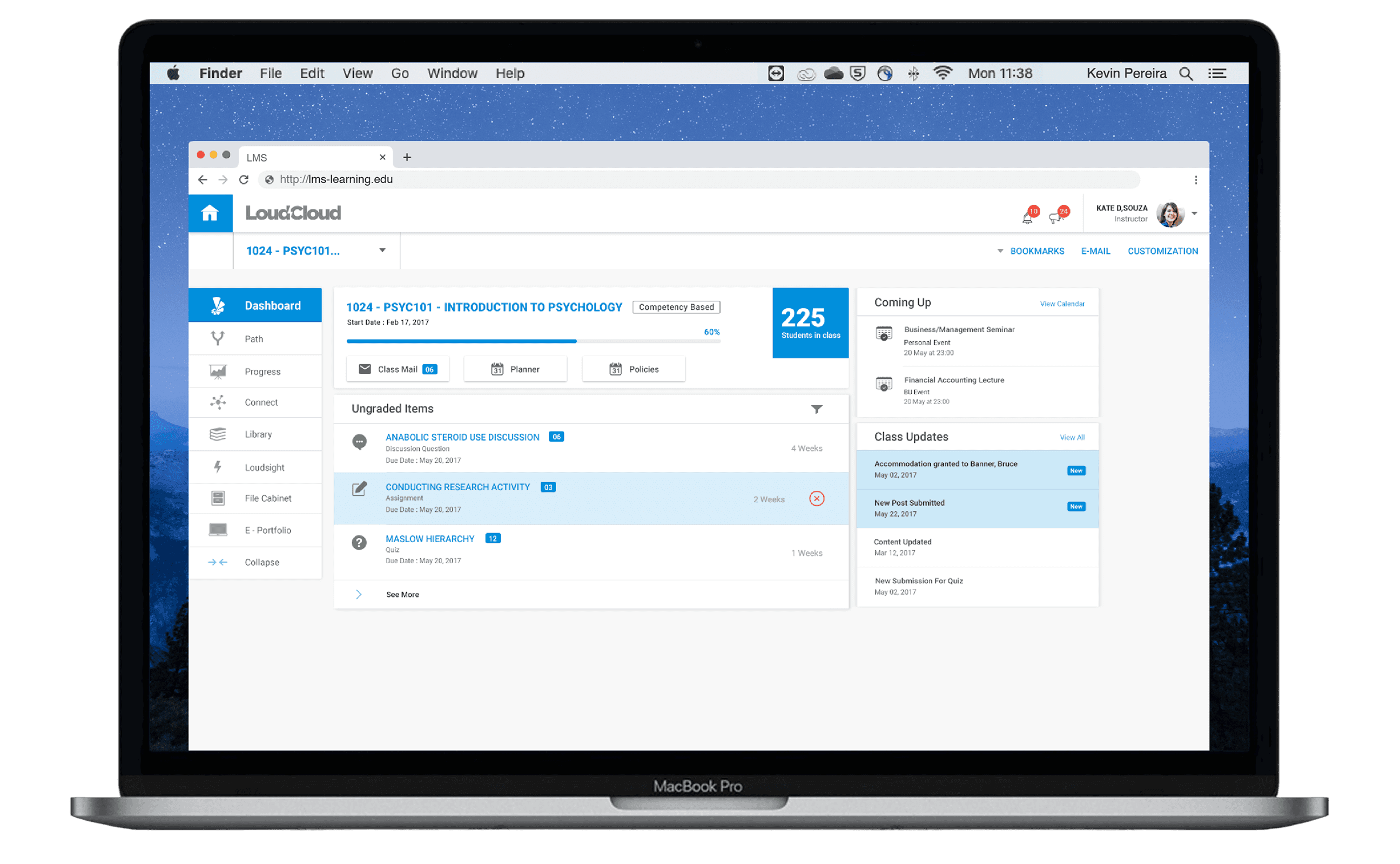
Our goal: design a unified digital learning experience that enhances engagement, accessibility, and academic success. Their powerful and complex LMS product needed a major overhaul to compete in the higher-ed space. The project focused on redesigning instructor authoring workflows and student content consumption experiences.
What I did
As the Lead UX Designer working with a small team of just five designers, I guided UX strategy, product vision in addition to design execution, design system building and team coaching for multiple EdTech platforms. I brought in effective design processes such as interactive prototyping along with usability testing and success metrics to shift old methods towards design maturity.
Impact Snapshot
USER GROWTH
5M+ user reach
Massive user base of students and faculty
FASTER DELIVERY
50% Increase
In Sprint velocity by effectively integrating Agile + UX methods
TEAM UPLIFT
60% less
Reduction in reported errors found by QA/Development teams thanks to cleaner product and design requirements
As a Lead UX Designer, I worked at Barnes & Noble Education (BNED) when the company was facing intense competition in the Learning Management System (LMS) market from established players like Blackboard and Canvas.
The company needed to completely reimagine its digital learning experience to:
Lower the Total Costof education for students struggling with the high price of traditional textbooksSimplify Content Creationfor instructors who wanted to personalise learning materialsImprove Analyticsto track student performance and enable early interventionsEnhance Accessibilityto meet ADA and WCAG 2.1 compliance requirements for higher education
Here's how I helped shape and define a user-centric approach to creating meaningful impact in the digital education sector.
1. Modernizing Design Practices
I upgraded the team’s design workflow to improve clarity, reduce bugs, and speed up delivery.
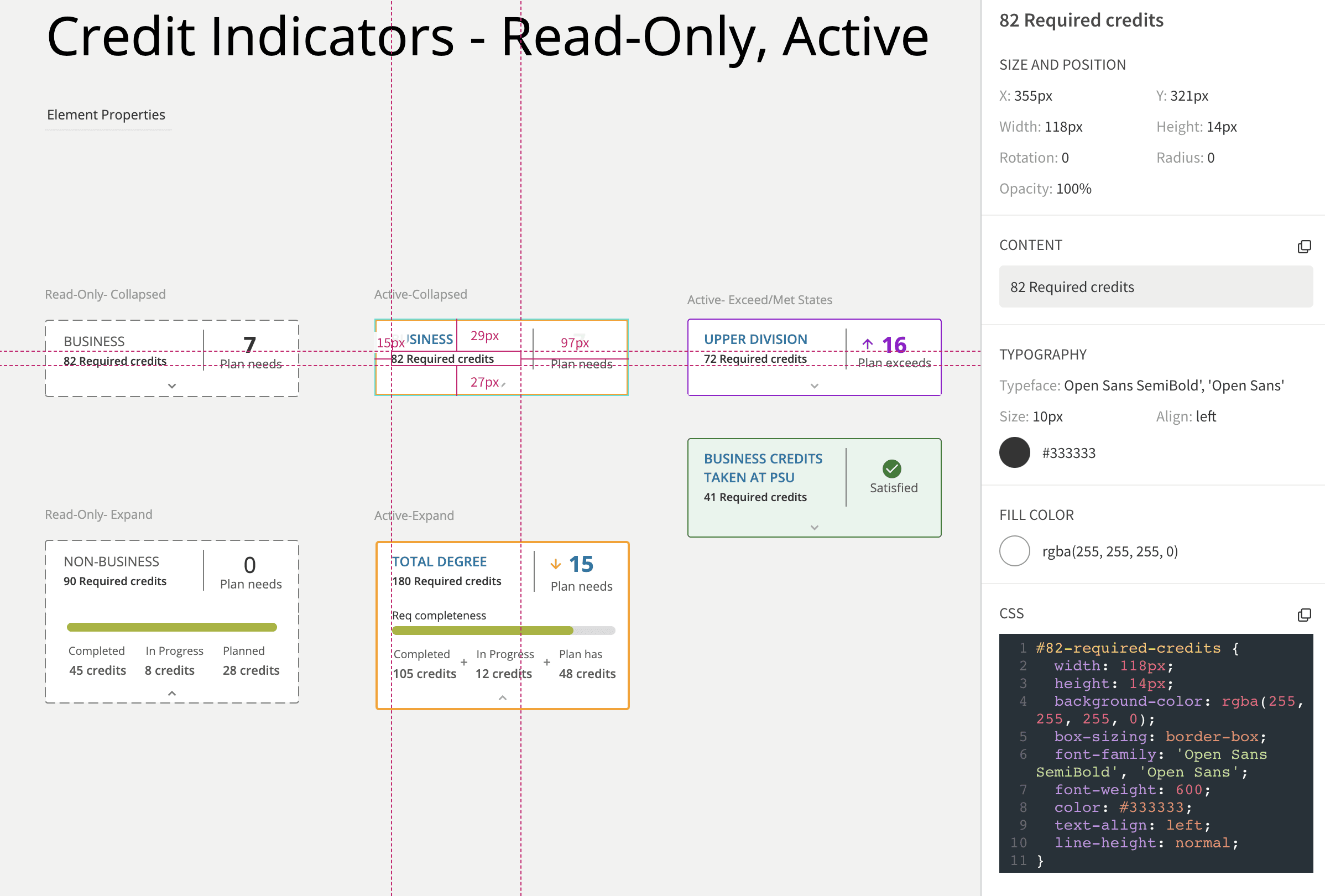
Introduced interactive prototyping→ trained the team to use Axure RP for realistic, high-fidelity prototypes that removed guesswork for engineers.Improved cross-functional alignment→ set up regular reviews with product, engineering, and QA so teams were aligned before development.Created clear design documentation→ built detailed specs in Confluence that acted as the single source of truth and reduced confusion during handoff.
2. User-Centered Research & Testing
To ensure we were solving the right problems, I implemented a structured research program:
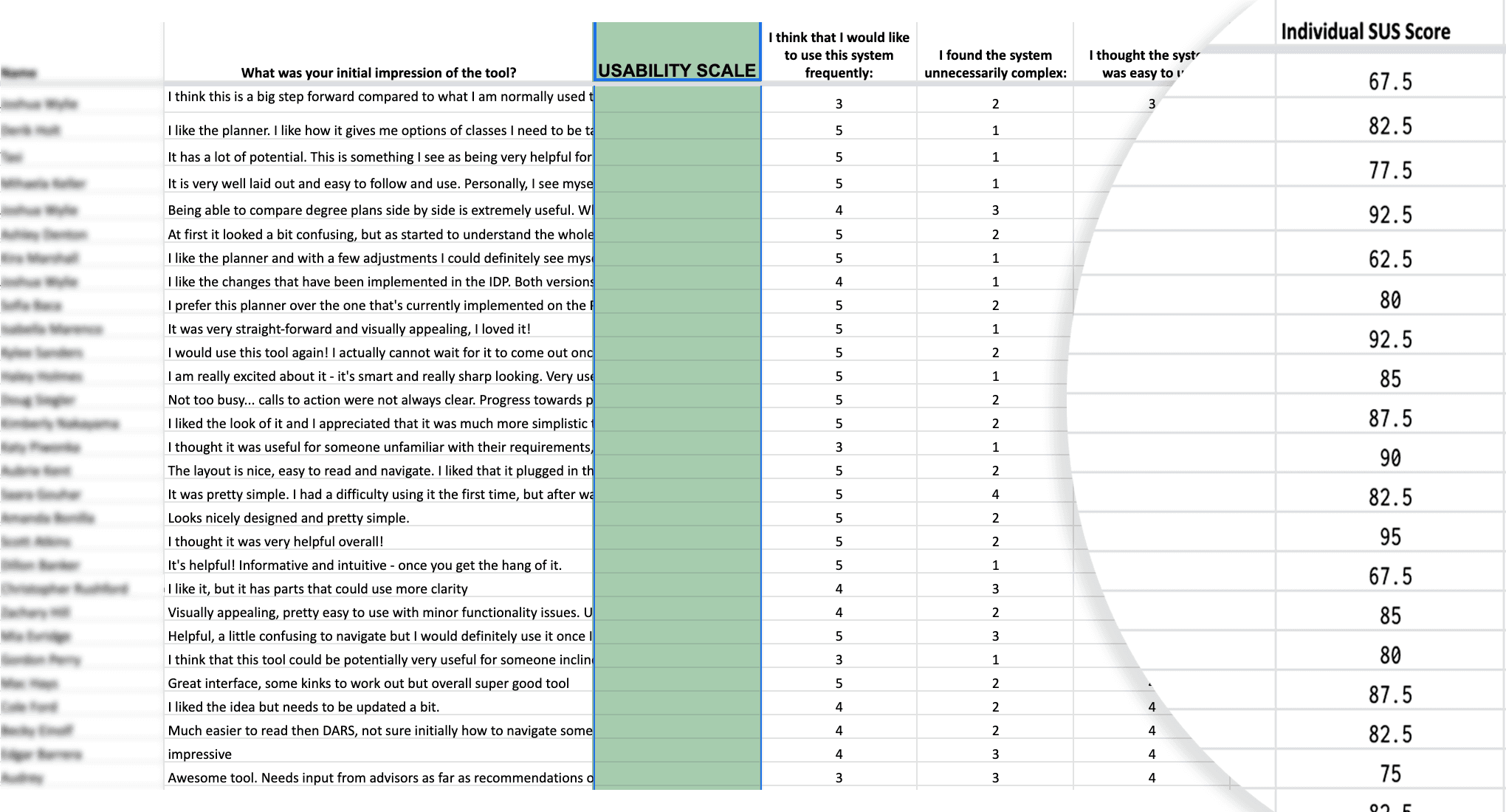
Contextual Inquiry→ Observed instructors and students using existing LMS solutions in their natural environmentsUsability Testing→ Conducted regular testing sessions with representative users to validate design decisionsQuantitative Benchmarking→ Established SUS (System Usability Scale) and NPS (Net Promoter Score) as key metrics to track improvement over time
3. Design System Implementation
I pioneered the company's first design system to ensure consistency and accelerate development:
Component Library→ Created a foundational set of UI patterns and components that worked across mobile, tablet, and desktopResponsive Framework→ Ensured all designs adapted seamlessly to different screen sizes and devicesAccessibility Standards→ Built WCAG 2.1 AA compliance into every component, exceeding ADA requirements for higher education
4. Quiz Engine Redesign
The most complex challenge was completely reimagining the quiz creation experience for instructors:
Workflow Optimization→ Reduced the number of clicks required to create a question by 60%Intuitive Organization→ Created a tagging and categorization system for managing thousands of questionsContextual Tools→ Designed a familiar e-commerce inspired filtering system to help instructors quickly find relevant questions
5. Student Experience Enhancement
For students, we created an engaging, accessible learning environment:
Personalized Learning Paths→ Designed adaptive flows that adjusted content based on student performanceMobile-First Design→ Optimized the experience for studying on-the-go, responding to research showing 81% of students used mobile devices to studyGamified Elements→ Incorporated motivational design patterns to increase engagement without compromising academic rigorData Visualization→ Created intuitive dashboards showing progress and highlighting areas needing attention
The redesigned LMS platform positioned BNED perfectly for the unexpected surge in online learning that would come with the COVID-19 pandemic, helping millions of students access affordable education during a critical time.
01
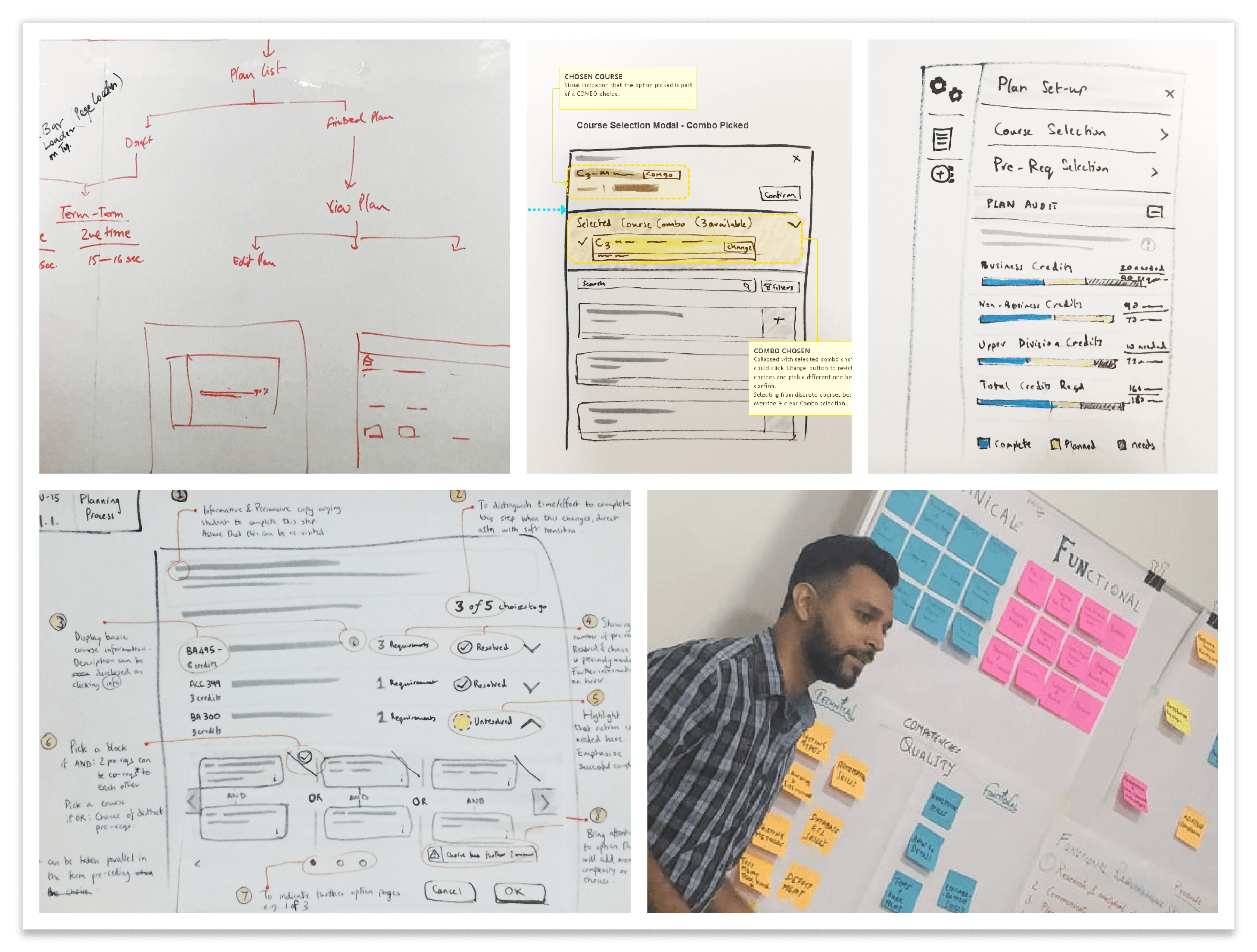
Cutting through confusion looks messy - helping visualise what product success should be
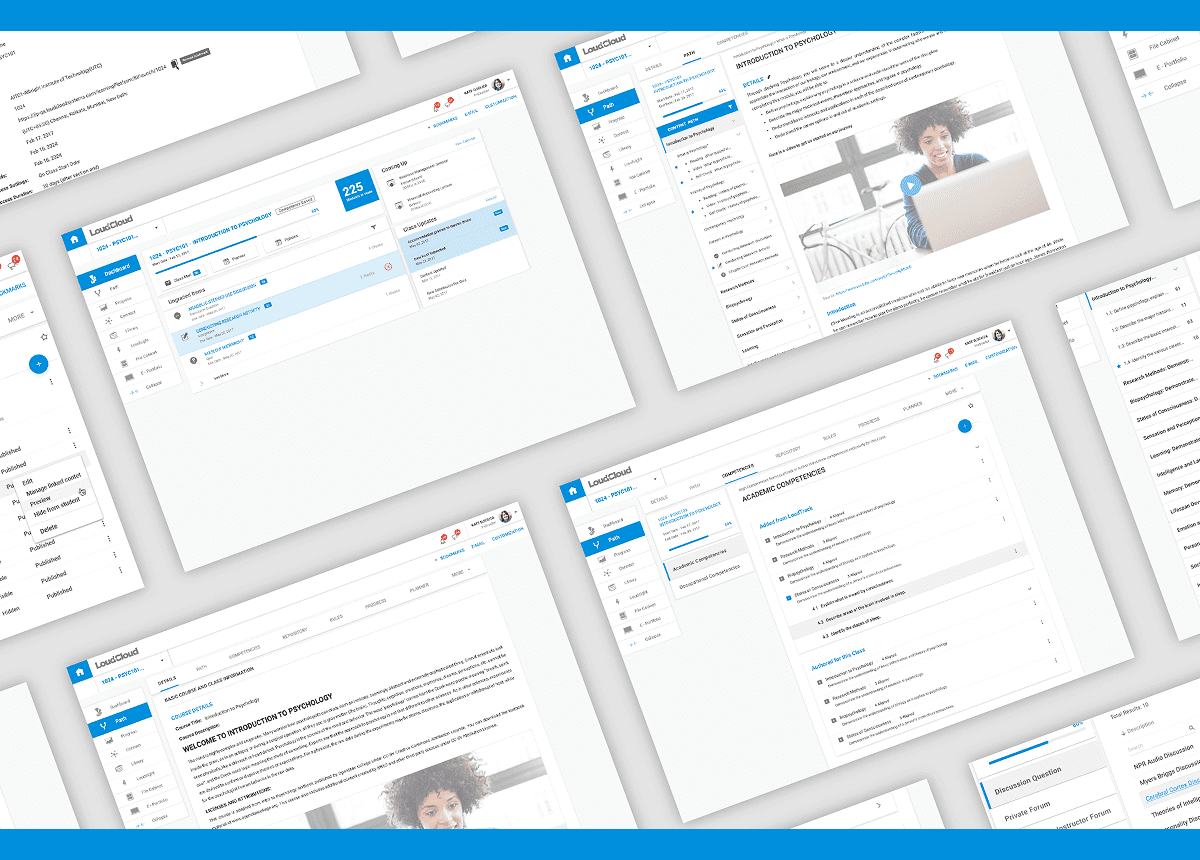
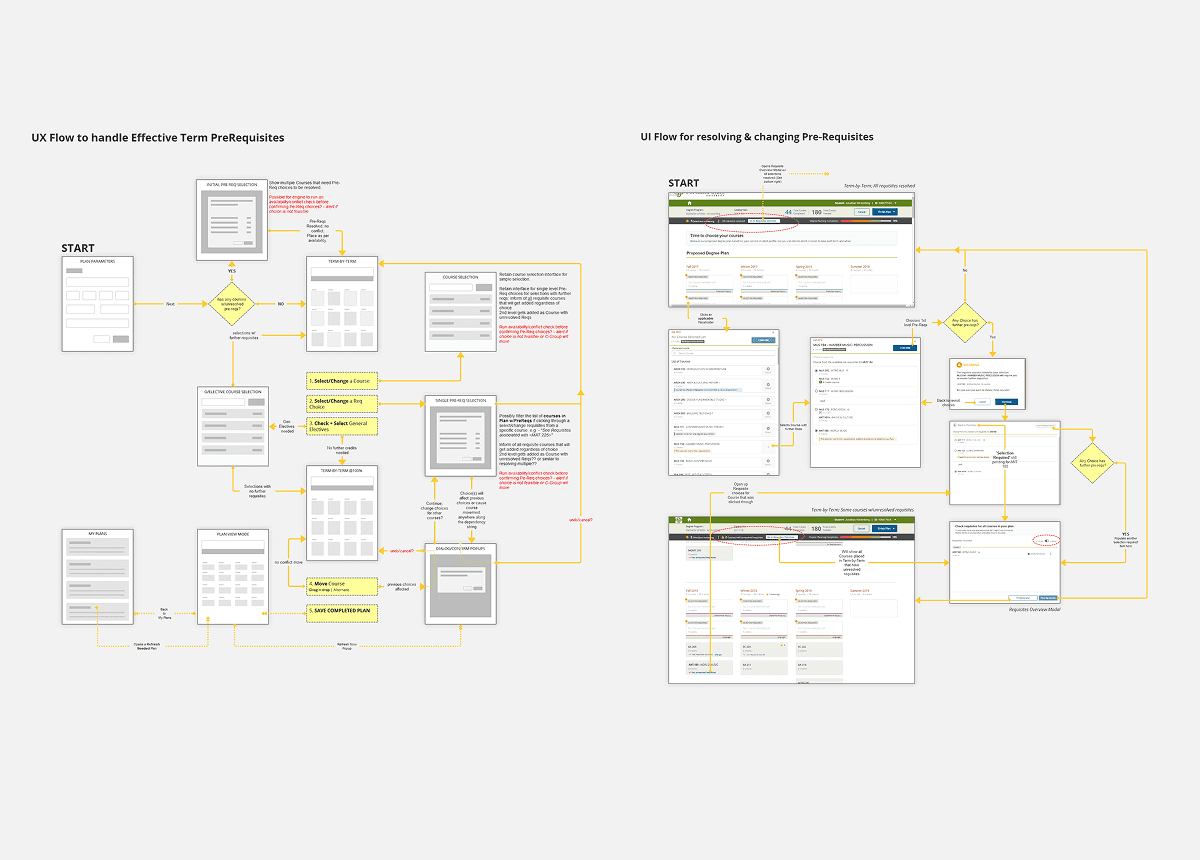
PROJECT DESIGN DELIVERABLES

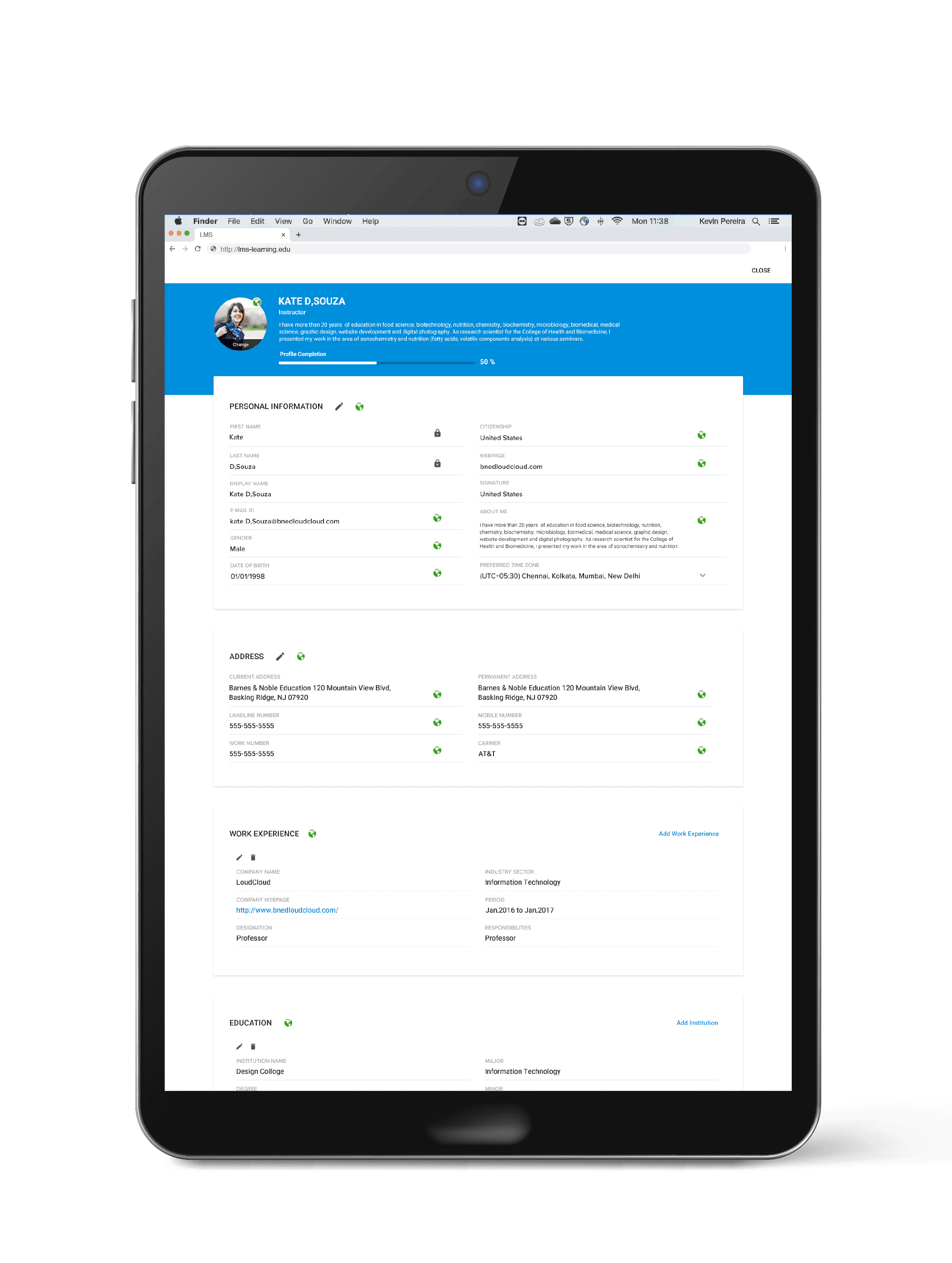
Enhanced collaboration
Embedded Lean UX practices within Agile development to improve collaboration.
Introduced modular UI approach based on atomic design systems
Built mobile-first design libraries and ensured ADA/ WCAG2.1 accessibility compliance across all products.
Tracking usability and success metrics
Defined UX KPIs (SUS, UMUX, NPS) to measure and communicate design ROI
Mentored product and design teams
Raising process maturity and delivery quality
Results
Transformed traditional academic products into user-centered, data-driven learning platforms, improving usability, accessibility, and engagement across campuses.
Key Learnings
Design maturity grows through measurable impact.
When teams tie UX success to metrics, design becomes a trusted business partner, not just a creative function.
02
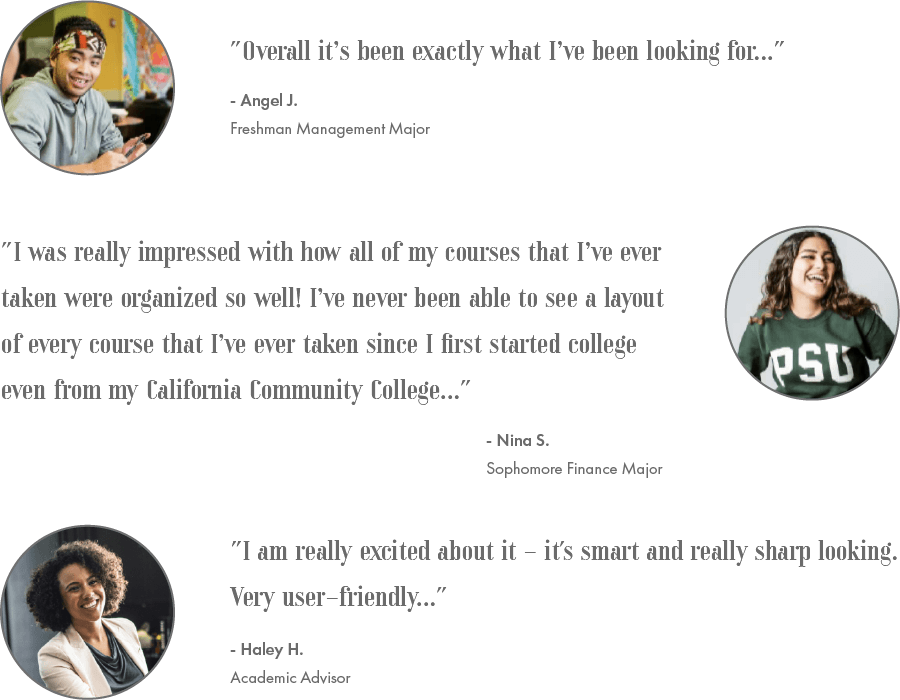
Happy experiences shared by students and educators really helps boost team morale and confidence!