
Neo-banking for the Digital Generation
Stash Banking
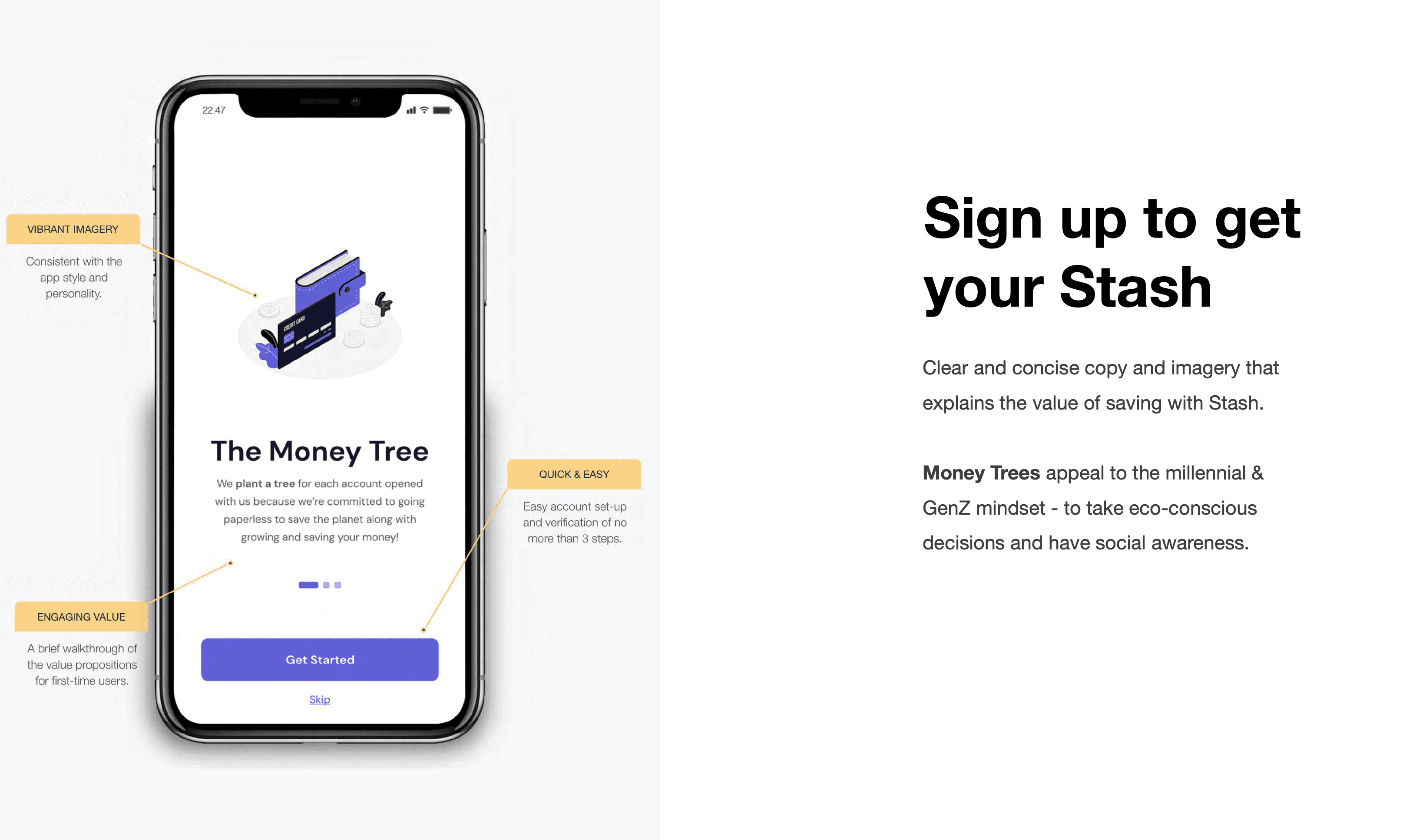
Introduction
An exploratory initiative to reimagine how the digital generation banks, Stash was conceived as a humanized, 100% mobile-first financial experience offering seamless transactions, social-impact-driven rewards, and gamified financial literacy. The goal was to make saving and managing money feel as effortless and motivating as using a favorite social app.
What I did
As the Product & UX Lead, I was accountable for translating behavioural insights into a validated product concept, defining the app’s user journey, visual identity, and usability KPIs and guiding research-driven prioritisation to shape a lean MVP roadmap.
Impact Snapshot
FASTER DELIVERY
8 wks
Research done + recommendations delivered at pace
CUSTOMER SENTIMENT
4 feature areas
Identified top MVP requirements
CONVERSION
1.9X ROI
Per customer considering acquisition and cost to income
The rise of neo-banks exposed a clear behavioral shift: younger users wanted banking that felt as intuitive as Instagram, as fast as Apple Pay, and as rewarding as Duolingo. Traditional banks, bound by legacy UX and outdated service models, were failing to meet these expectations.
The challenge → design a modern banking experience that goes beyond transactions — one that empowers users to manage, learn, and grow their finances effortlessly, while aligning with their eco-conscious and reward-driven lifestyle.
What I did → I led the discovery, design, and validation of a new digital banking concept — from mapping behavioural insights and defining value propositions to creating a testable high-fidelity prototype for user validation.
The primary research and discovery I carried out netted interesting insights and were pivotal to the implemented product strategy and design direction.
Over 90% of users aged 18–34 already manage finances via mobile, with 72% using banking apps weekly — but most find them uninspiring or impersonal.
Participants showed high affinity for socially responsible banking, associating “green” and paperless features with trust and modernity.
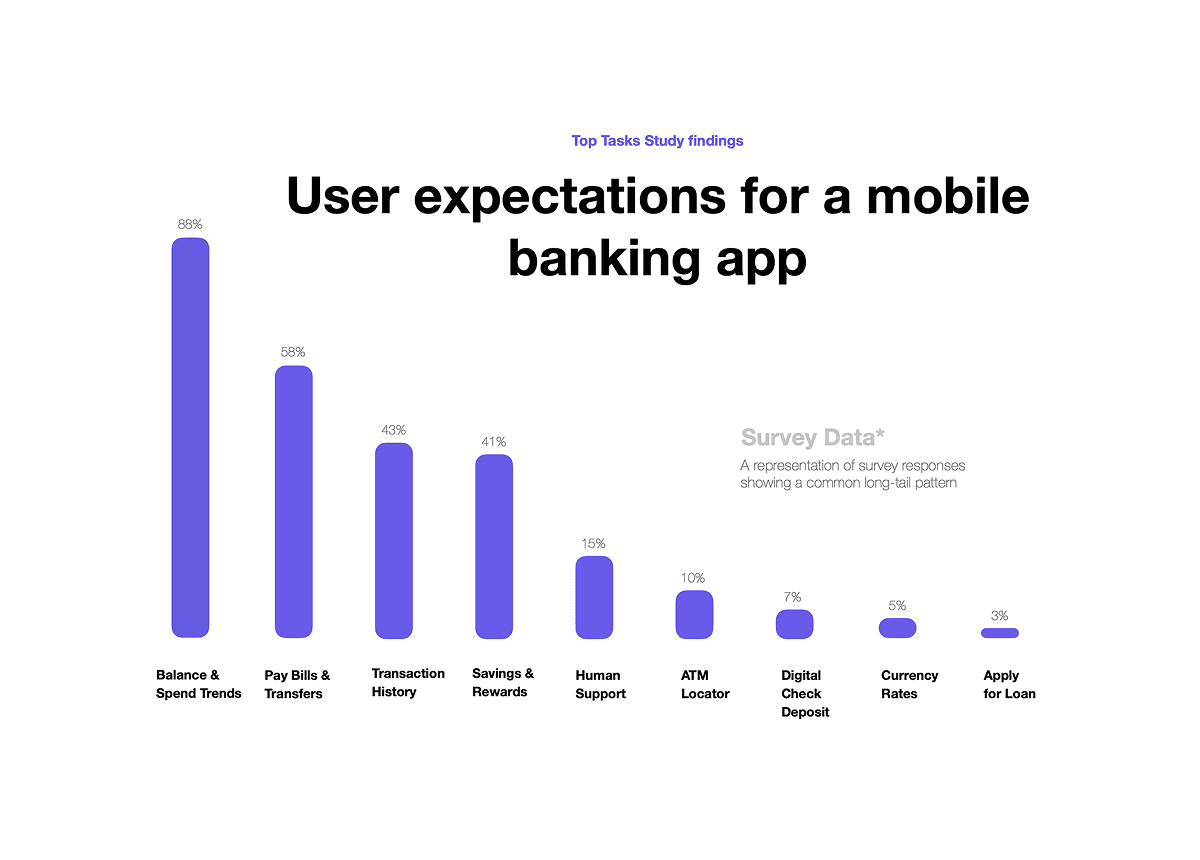
Top Task Analysis and QFD modeling revealed that users prioritized spending insights, rewards, and human support over traditional “full-suite” banking tools.
The design approach focused on reducing cognitive friction through simplified task flows, familiar swipe gestures, and contextual nudges for financial wellness.
01
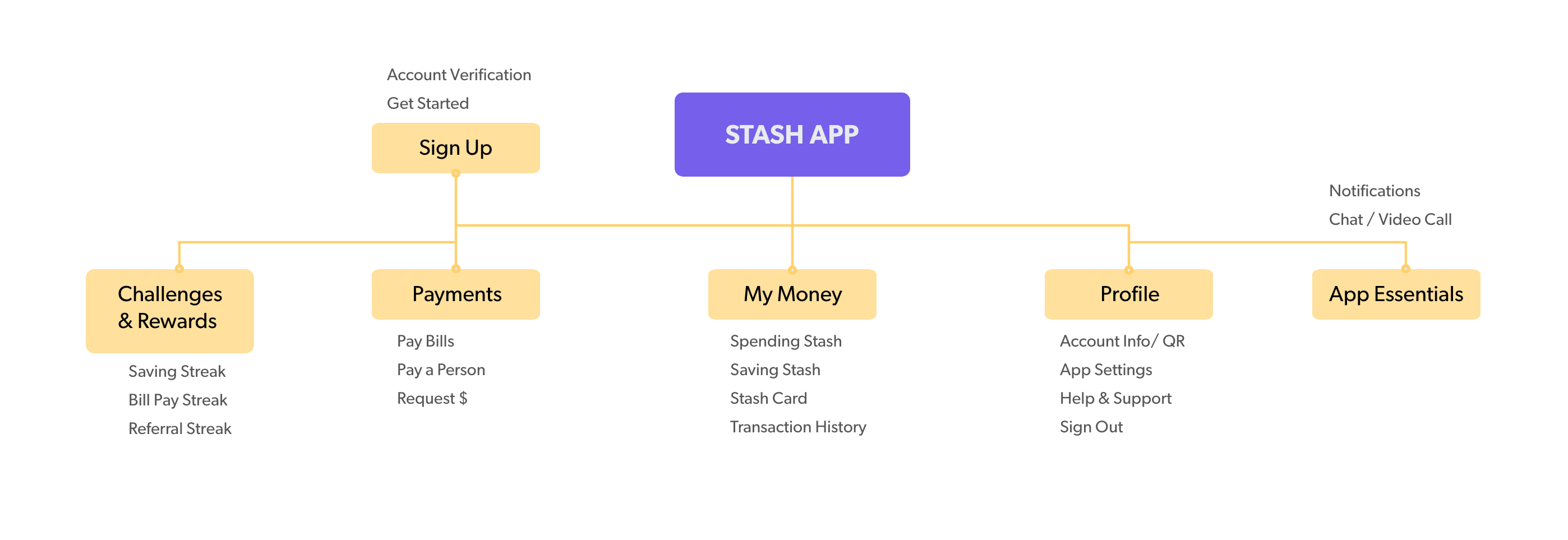
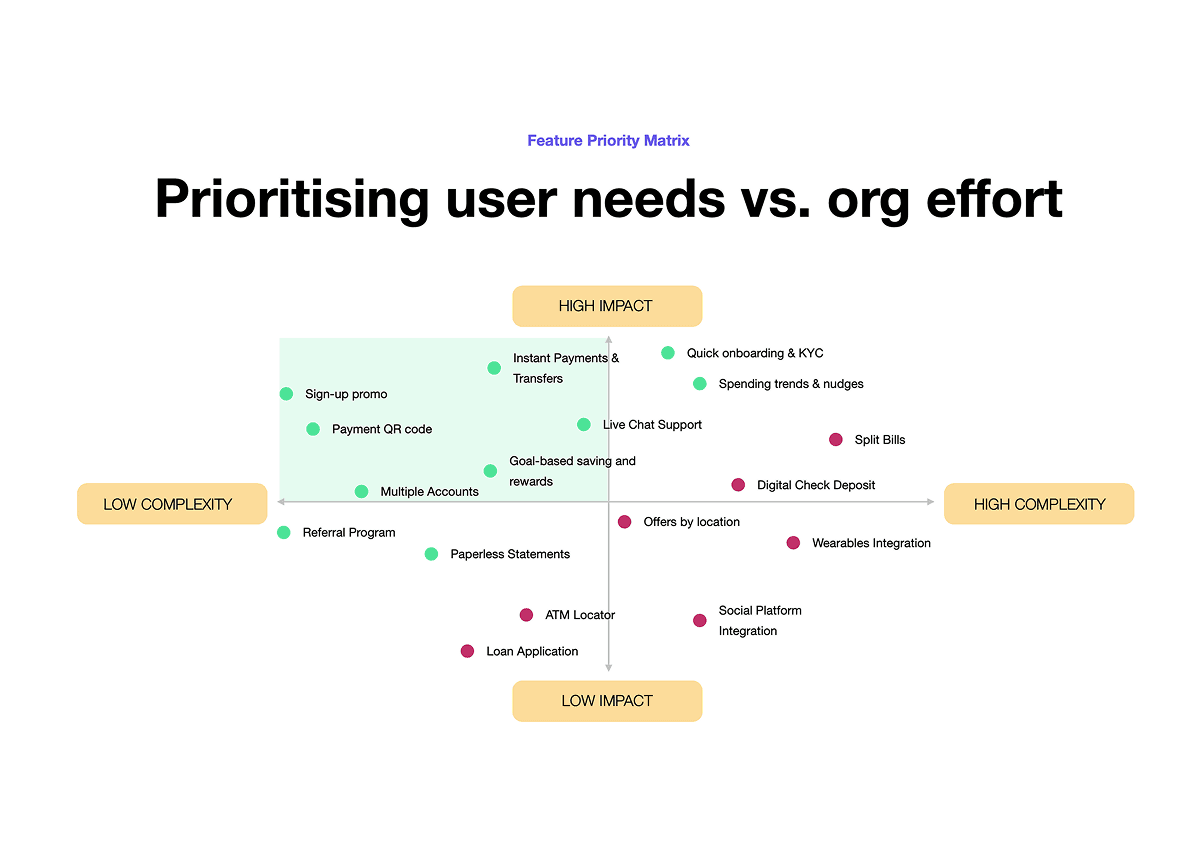
A simple MVP IA with features prioritised on customer research insights and findings.
Project Deliverables
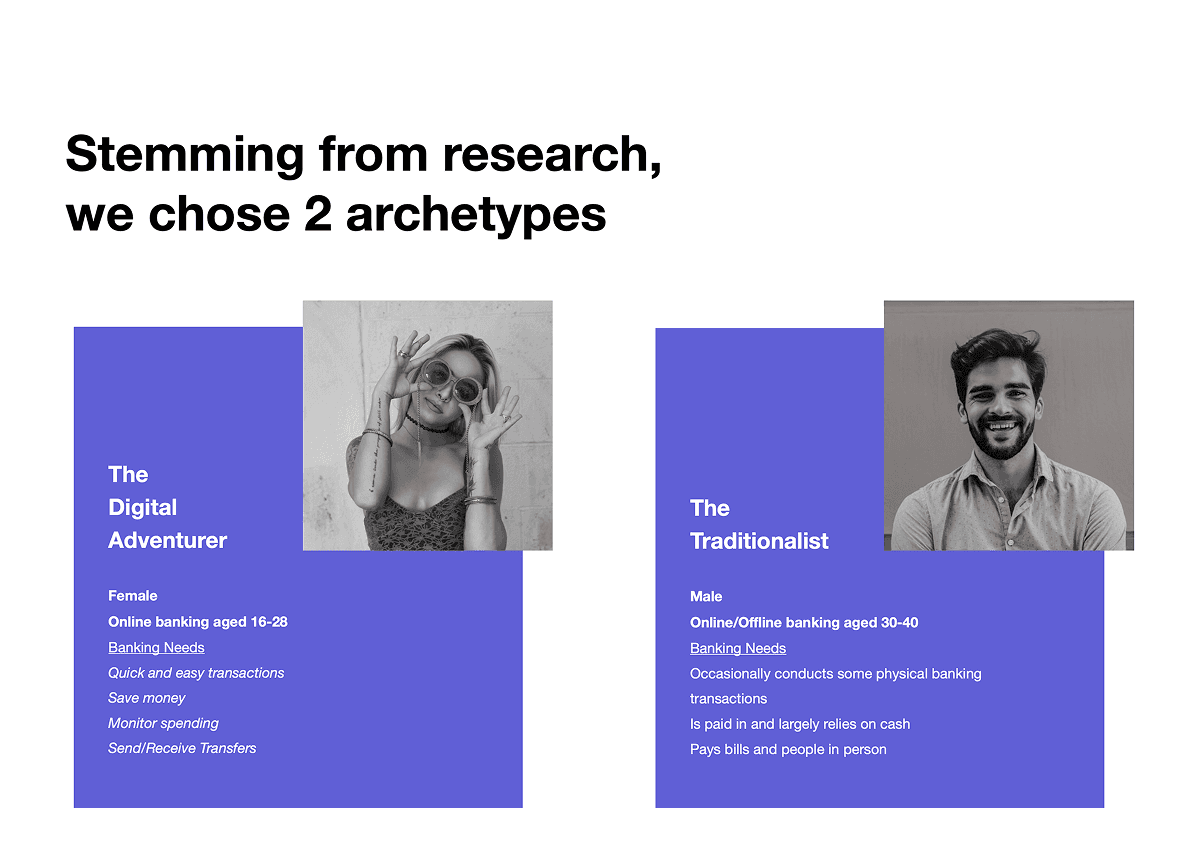
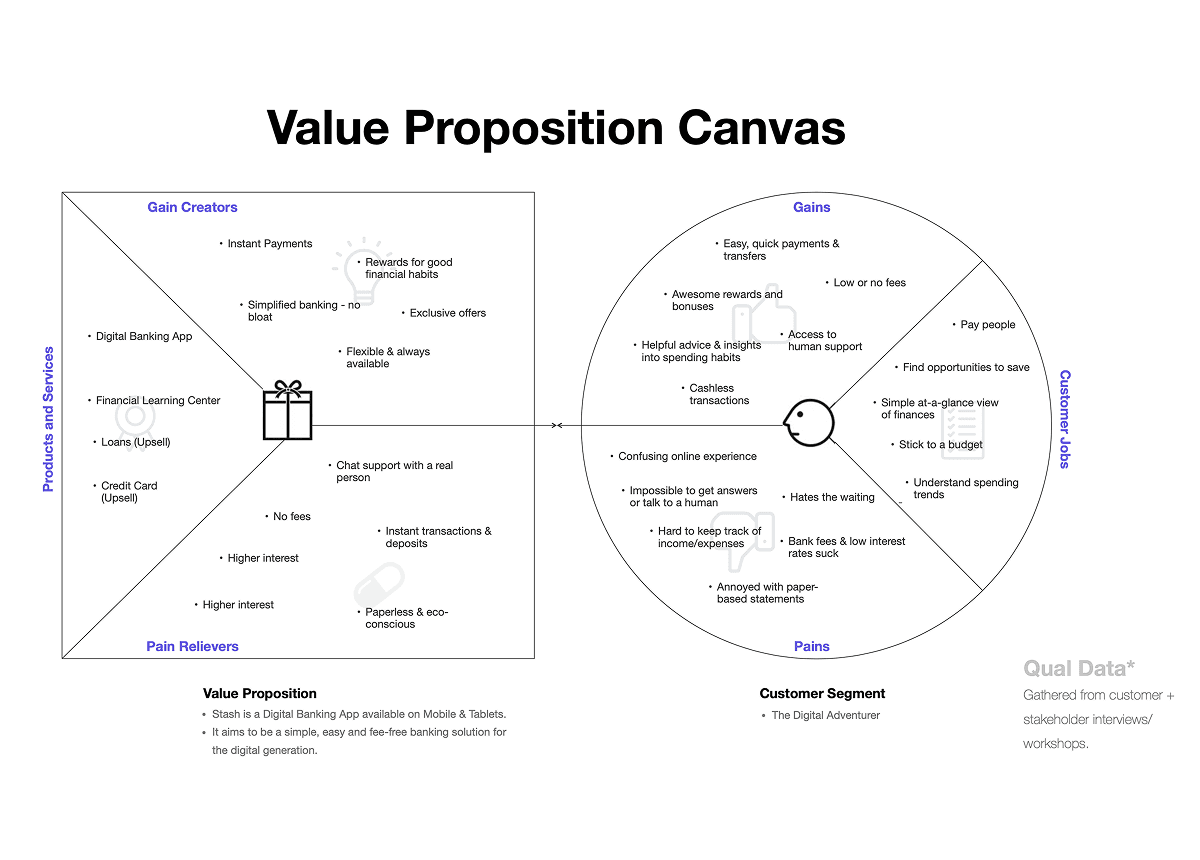
User research and insight modeling
Mapped shifting digital banking behaviors to uncover motivations and friction points—grounding product vision in real customer data.
Feature prioritization using Top Task & QFD methods
Ranked user needs against business impact to focus effort on high-value areas like spending insights, rewards, and instant payments.
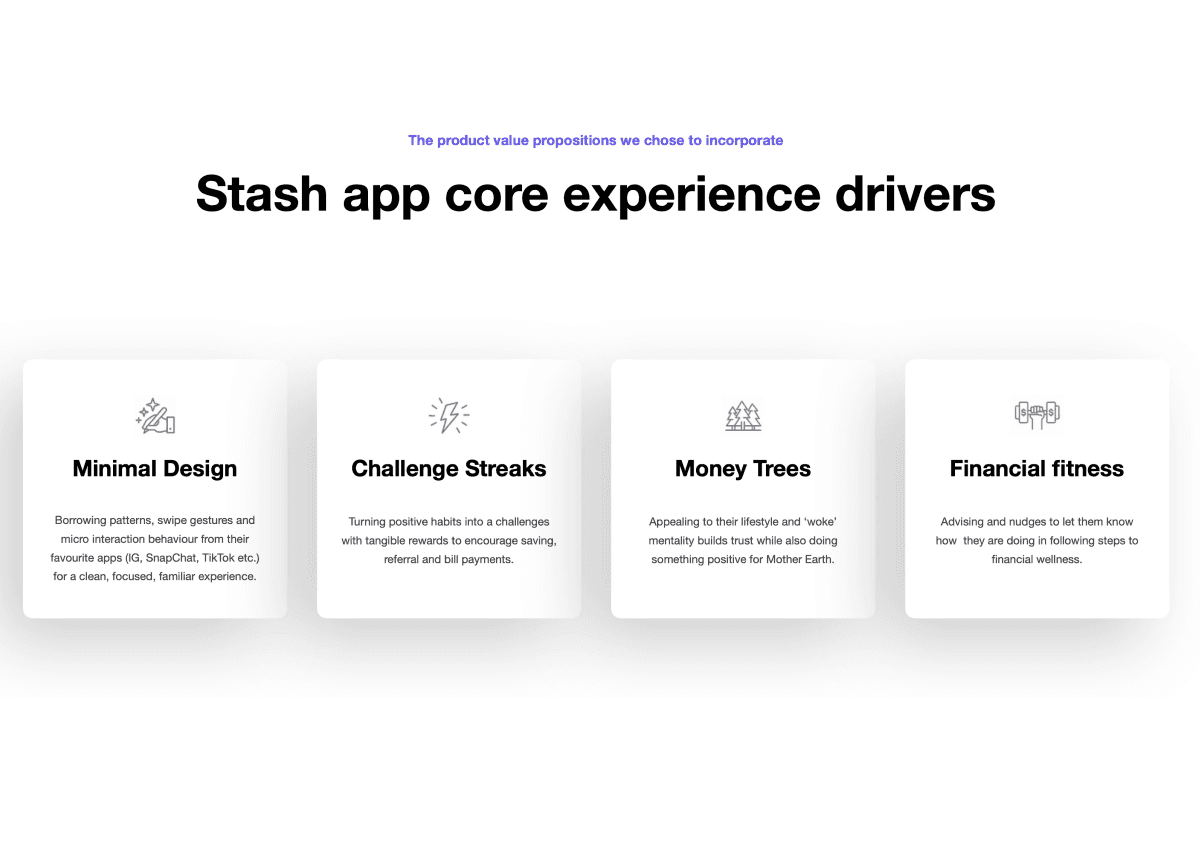
Human-centered interaction design
Created familiar, swipe-driven mobile patterns with gamified challenges (“Challenge Streaks”) and eco-rewards (“Money Trees”) to reinforce positive habits.
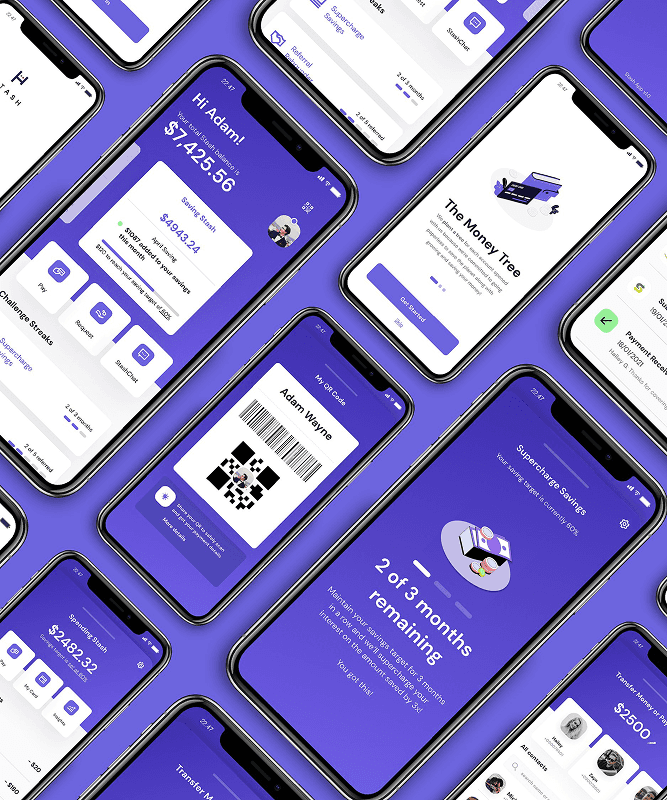
Prototype validation and usability benchmarking
Developed a high-fidelity, testable prototype measured via SUS, NPS, and RITE cycles to validate usability, engagement intent, and design clarity.
Results
The concept demonstrated strong product-market alignment among early test participants, with 83% usability satisfaction and high recall for its eco-rewards positioning.
It established a clear foundation for future roadmap development and measurable KPIs to guide a lean launch strategy.
Key Learnings
Designing for digital-native users demands purposeful simplicity—aligning function, motivation, and values.
A well-prioritized MVP built from behavioral data and iterative testing enables faster validation, sharper storytelling, and more credible buy-in from stakeholders.
02
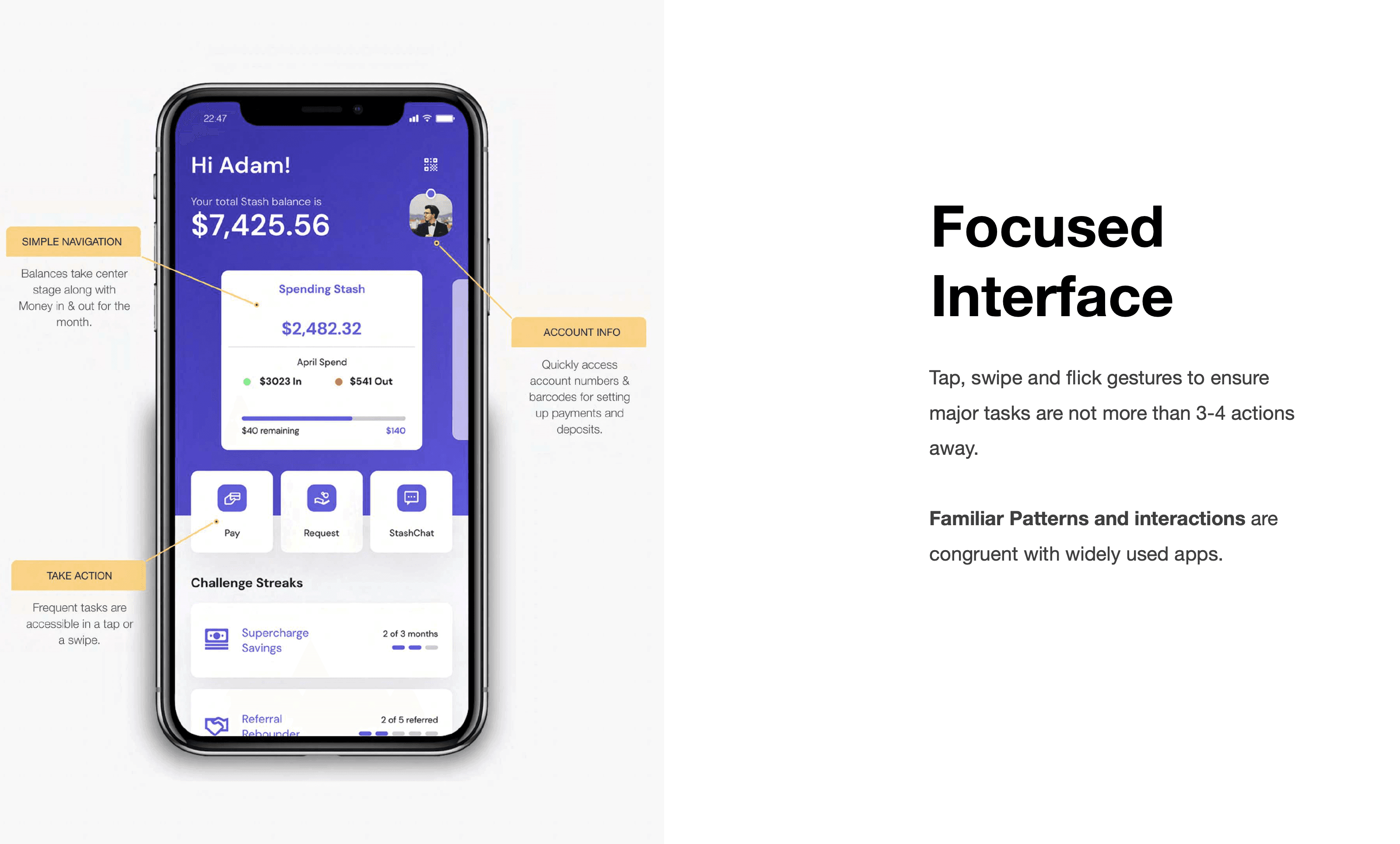
Testing with high-fidelity prototypes to validate product features and experience